Recognizing Senior Care Options: From In-Home Support to Aided Living Solutions
Guiding via senior care alternatives can be a daunting job for households. With a series of solutions available, from in-home assistance to assisted living, understanding the subtleties is vital. Each option provides distinct benefits and challenges, customized to varying levels of demand. Family members need to weigh their options carefully. What aspects should they take into consideration to guarantee their liked ones get the best possible care?
Review of Senior Care Options
As individuals age, they often deal with a range of obstacles that require different kinds of care, resulting in a varied range of senior care alternatives available. These alternatives variety from independent living neighborhoods, where seniors preserve freedom while delighting in an encouraging atmosphere, to assisted living facilities that offer assistance with everyday tasks. For those needing more substantial assistance, retirement home offer 24-hour medical care. Conversely, memory care devices specialize in dealing with people with dementia or Alzheimer's. Hospice care concentrates on end-of-life comfort and support for both families and clients. Each alternative is designed to deal with certain demands, making certain that elders receive appropriate levels useful while promoting their self-respect and quality of life.
In-Home Support Providers
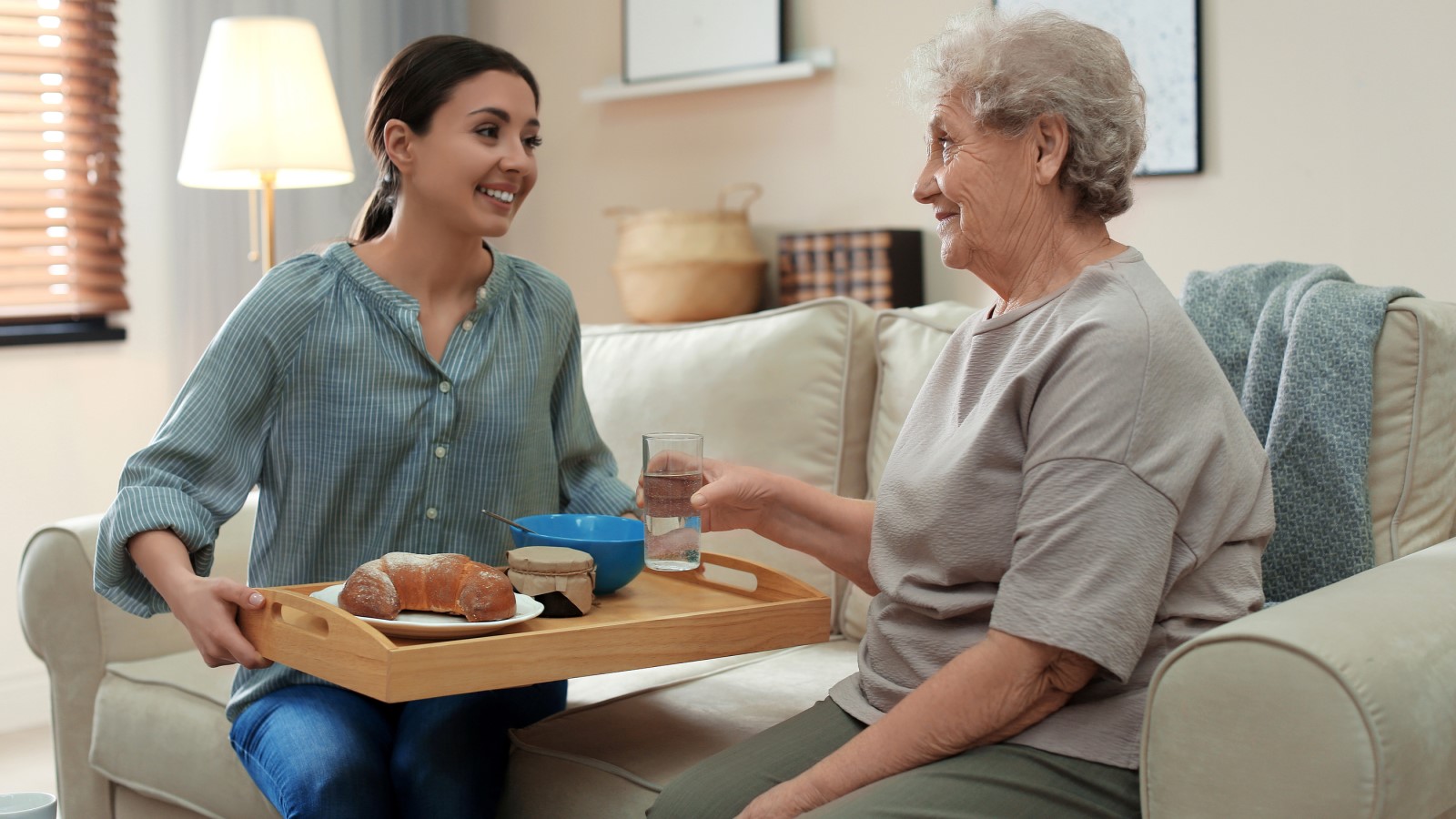
At home assistance services supply a beneficial choice for elders that desire to age in place while receiving necessary assistance. These solutions incorporate a variety of assistance alternatives, including individual care, friendship, and home tasks. Trained caregivers can aid elders with everyday activities such as bathing, dressing, dish prep work, and medicine administration, promoting independence and boosting top quality of life. In addition, in-home support can be customized to specific demands, enabling for versatile scheduling and varying levels of care. This personalized approach not just cultivates a complacency yet likewise lessens the anxiety related to relocation to a center. By selecting at home assistance services, elders can maintain their regimens and stay in familiar surroundings while getting the assistance they need.
Assisted Living Facilities
While many elders like to age in position, assisted living centers use a structured environment that accommodates those that require more considerable support. These centers supply a balance in between independence and help, making it possible for citizens to maintain their individual regimens while accessing vital solutions. Typically, assisted living consists of help with day-to-day activities such as bathing, dressing, and medication administration. Locals can enjoy communal eating, social tasks, and transport solutions, fostering a feeling of neighborhood and engagement. Additionally, aided living facilities often include different accommodations, from exclusive apartments to shared spaces, enabling for customized living situations. By integrating safety, social communication, and assistance, these facilities act as a practical alternative for seniors seeking a much more enhancing way of life.
Nursing Residences and Skilled Care
Nursing homes and skilled care centers provide vital clinical support for seniors who need extra extensive support than what is used in assisted living atmospheres. These centers are furnished with skilled healthcare specialists, consisting of nurses and rehabilitation specialists, who satisfy individuals with chronic health problems, handicaps, or healing requirements. Citizens take advantage of 24-hour supervision, personalized care strategies, and accessibility to clinical devices. Assisted living facility usually include an organized setting that advertises safety and social interaction. In addition, experienced care centers may offer customized solutions such as physical therapy, occupational treatment, and medicine management. This degree of care is essential for senior citizens who require recurring medical focus, guaranteeing they get the support essential to preserve their health and wellness and lifestyle.
Picking the Right Choice for Your Loved One
Just how can households browse the complicated landscape of senior care options for their enjoyed ones? It begins with evaluating private needs, which might include medical needs, wheelchair levels, and social choices. Families ought to take into consideration in-home care for those looking for knowledge and self-reliance, while aided living facilities supply a balanced strategy with community assistance. For individuals requiring extensive medical aid, nursing homes may be better suited. Spending plan constraints get redirected here likewise play a substantial role; households must evaluate economic sources and potential insurance coverage. Interaction with the liked one is vital to assure their wishes and convenience are prioritized. Eventually, a thoughtful mix of these variables will assist families make educated decisions that ideal support their enjoyed one's well-being and happiness.
Often Asked Questions
What Is the Typical Expense of In-Home Senior Care Providers?
The typical expense of at home senior care solutions commonly varies from $20 to $40 per hour, relying on the level of care called for and geographic area, with regular monthly expenditures averaging between $3,000 and $7,000. (The Sanctuary Senior Care)
How Do I Evaluate the Top Quality of an Aided Living Center?
To assess the high quality of a nursing home, one need to take into consideration resident evaluations, team credentials, security procedures, tidiness, available activities, and the total atmosphere, guaranteeing it aligns with the individual's choices and requirements.

Are There Particular Accreditations for In-Home Caregivers?
Yes, there are specific certifications for in-home caretakers, consisting of Qualified Nursing Aide (CNA), Home Health Aide (HHA), and specialized training in areas like dementia care - The Sanctuary Senior Care. These accreditations assure caretakers fulfill needed criteria for top quality and safety

What Lawful Records Are Needed for Senior Care Decisions?
Lawful records needed for senior care decisions usually consist of a power navigate to this site of lawyer, healthcare proxy, living will, and advancement regulations. These records assure that the senior's healthcare preferences and financial issues are respected and managed properly.
Exactly How Can I Examine My Enjoyed One's Care Demands Properly?
To analyze a loved one's care needs accurately, one should observe daily tasks, consult healthcare professionals, and talk about issues freely with the individual. Extensive examinations can aid determine physical, psychological, and social support demands properly.
Steering through senior care options can be a daunting job for households. As people age, they often deal with a selection of obstacles that require different types of care, leading to a diverse variety of senior care alternatives available. Nursing homes and skilled care facilities over at this website give crucial clinical support for seniors that need much more comprehensive help than what is supplied in assisted living settings. How can families navigate the complex landscape of senior care options for their liked ones? Legal documents required for senior care choices normally include a power of attorney, medical care proxy, living will, and advancement directives.